Showing posts with label Orthopedic Injury. Show all posts

Wednesday, August 5, 2015

Backpack Safety!


When you move your child's backpack after he or she drops it at the door, does it feel like it contains 40 pounds of rocks? Maybe you've noticed your child struggling to put it on, bending forward while carrying it, or complaining of tingling or numbness.

If you've been concerned about the effects that extra weight might have on your child's still-growing body, your instincts are correct.

Backpacks that are too heavy can cause a lot of problems for kids, like back and shoulder pain, and poor posture.

Did you know that according to the Consumer Product Safety Commission, injuries from heavy backpacks result in more than 7,000 emergency room visits per year.  Sprains, strains, and “overuse” injuries were among the top complaints.

When selecting a backpack, look for:

- An ergonomic design
- The correct size: never wider or longer than your child's torso and never hanging more than 4 inches below the waist
- Padded back and shoulder straps
- Hip and chest belts to help transfer some of the weight to the hips and torso
- Multiple compartments to better distribute the weight
- Compression straps on the sides or bottom to stabilize the contents
- Reflective material

Backpack Safety Tips: 

– Your backpack should weigh only 15% – 20% of your total weight
– Use both shoulder straps to keep the weight of the backpack better distributed
– Tighten the straps to keep the load closer to the back
– Organize items and pack heavier things low and towards the center
– Remove items if the backpack is too heavy and only carry items necessary for the day
– Lift properly by bending at the knees when picking up a backpack

Remember: A roomy backpack may seem like a good idea, but the more space there is to fill, the more likely your child will fill it. Make sure your child uses both straps when carrying the backpack. Using one strap shifts the weight to one side and causes muscle pain and posture problems.

Help your child determine what is absolutely necessary to carry. If it's not essential, leave it at home.

#Results.Recovery.Relief. 

602-277-6211
www.tocamd.com

Thursday, June 11, 2015

X-rays, CT Scans and MRIs oh my!


One of the more common questions asked by patients is what's the difference between X-ray, CT and MRI?

Diagnostic imaging techniques help narrow the causes of an injury or illness and ensure that the diagnosis is accurate. These techniques include X-rays, computed tomography (CT) scans, magnetic resonance imaging (MRI).

These imaging tools let your doctor "see" inside your body to get a "picture" of your bones, organs, muscles, tendons, nerves, and cartilage. This is a way the doctor can determine if there are any abnormalities.

X-rays

X-rays (radiographs) are the most common and widely available diagnostic imaging technique. Even if you also need more sophisticated tests, you will probably get an X-ray first.

The part of your body being pictured is positioned between the X-ray machine and photographic film. You have to hold still while the machine briefly sends electromagnetic waves (radiation) through your body, exposing the film to reflect your internal structure. The level of radiation exposure from X-rays is not harmful, but your doctor will take special precautions if you are pregnant.

Bones, tumors and other dense matter appear white or light because they absorb the radiation. Less dense soft tissues and breaks in bone let radiation pass through, making these parts look darker on the X-ray film. Sometimes, to make certain organs stand out in the picture, you are asked given barium sulfate or a dye.

You will probably be X-rayed from several angles. If you have a fracture in one limb, your doctor may want a comparison X-ray of your uninjured limb. Your X-ray session will probably be finished in about 10 minutes. The images are ready quickly.

X-rays may not show as much detail as an image produced using newer, more powerful techniques.

Computed Tomography (CT)

Computed tomography (CT) is a modern imaging tool that combines X-rays with computer technology to produce a more detailed, cross-sectional image of your body. A CT scan lets your doctor see the size, shape, and position of structures that are deep inside your body, such as organs, tissues, or tumors. Tell your doctor if you are pregnant before undergoing a CT scan.

You lie as motionless as possible on a table that slides into the center of the cylinder-like CT scanner. The process is painless. An X-ray tube slowly rotates around you, taking many pictures from all directions. A computer combines the images to produce a clear, two-dimensional view on a television screen.

You may need a CT scan if you have a problem with a small, bony structure or if you have severe trauma to the brain, spinal cord, chest, abdomen, or pelvis. As with a regular X-ray, sometimes you may be given barium sulfate or a dye to make certain parts of your body show up better.

Magnetic Resonance Imaging (MRI)

Magnetic resonance imaging (MRI) is another modern diagnostic imaging technique that produces cross-sectional images of your body. Unlike CT scans, MRI works without radiation. The MRI tool uses magnetic fields and a sophisticated computer to take high-resolution pictures of your bones and soft tissues. Tell your doctor if you have implants, metal clips, or other metal objects in your body before you undergo an MRI scan.

You lie as motionless as possible on a table that slides into the tube-shaped MRI scanner. The MRI creates a magnetic field around you and then pulses radio waves to the area of your body to be pictured. The radio waves cause your tissues to resonate.

A computer records the rate at which your body's various parts (tendons, ligaments, nerves, etc.) give off these vibrations, and translates the data into a detailed, two-dimensional picture. You will not feel any pain while undergoing an MRI, but the machine may be noisy.

An MRI may help your doctor to diagnose your torn knee ligaments and cartilage, torn rotator cuffs, herniated disks, hip and pelvic problems, and other problems. An MRI may take 30 to 90 minutes.

#RECOVERY.RESULTS.RELIEF.


602-277-6211

Monday, May 18, 2015

Dr Lederman is honored to be faculty at the 32nd Annual San Diego Shoulder Institute Meeting


Dr Lederman is honored to be faculty at the 32nd Annual San Diego Shoulder Institute Meeting in June 2015.  The SDSI meeting is the largest dedicated shoulder meeting with international faculties and attendees.  Dr Lederman will lecture on "Repair options for the subscapularis tendon in shoulder replacement” and will serve as lead faculty for surgeon education labs in Anatomic shoulder replacement, Reverse shoulder replacement, shoulder arthroscopic surgery and Latarjet reconstruction.  

Dr. Lederman and colleagues will also present 2 original research posters: "A Reproducible Ratio for Calculation for Glenoid Bone Loss Using CT or MRI and Simple Measurements that all Clinicians Can Use.” by Dr Lederman and "Gender has a Significant Affect on Post-operative Functional Outcome Scores in Reverse Shoulder Arthroplasty". Samuel Harmsen MD, James D Kelly MD, Ryan McLemore PhD, Armodios Hatzidakis MD, Tom R Norris MD, Thomas B Edwards MD, Evan S Lederman, MD. Dr. Harmsen, the lead author, will be joining TOCA after completing his fellowship in October, 2015. 

#RESULTS.RECOVERY.RELIEF.


602-277-6211

Wednesday, May 13, 2015

Weekend Warrior: Injury Prevention


Are you a weekend warrior? You are if your work and family demands keep you from exercising on a regular basis, so you make up for it by going “all out” on the weekends. But that Saturday morning pickup basketball game, football game or boot camp can leave you with aches and pains – or worse yet, a serious injury.

Each day, more than 10,000 Americans visit emergency rooms for sports and exercise-related injuries, according to the Centers for Disease Control and Prevention. Experts say weekend-warrior injuries are most common among formerly active men over age 30 whose weekend activities can be described as “too much, too fast, too far.” Even men who consider themselves in fairly good shape and take part in a highly-charged soccer game can end up with weekend-warrior injuries.

If you don’t exercise on a regular basis and you’re not conditioned for a particular sport or activity, you put yourself at risk for injury.

Regular exercise offers these important benefits:
•    Keeps your weight under control, which reduces stress on your joints, especially your hips and knees.
•    Maintains your muscle strength to help prevent arthritis and keep your joints flexible and protect them from damage.
•    Releases endorphins, which act as your body’s natural pain medication.

According to the National Institutes of Health, weekend-warrior injuries can occur for a variety of reasons, including poor physical conditioning and flexibility, failure to warm up and stretch muscles, competition intensity, participation in collision and contact sports and overuse of joints.

The most common injuries include sprains, strains, fractures, dislocation and inflammation. That means the orthopedic surgeons at TOCA see many patients with sprained ankles, shin splints, rotator cuff injuries, Achilles tendonitis, lower back pain, plantar fasciitis (heel pain) and knee pain.

The knee is at high risk for injury because of its complexity and the enormous amount of force it absorbs and stress it takes. Knee injuries often result from a blow to the knee, twisting or turning or an improper landing

The risk of injury does not mean you shouldn’t be active, though, and avoiding these injuries requires some common-sense prevention.

•    Exercise regularly and include a variety of cardiovascular activity, stretching and weightlifting in your routine. Cross-training helps to prevent overuse injuries, which develop from constantly using the same muscles and tendons.
•    Warm up and stretch to help prevent sprains.
•    Gradually increase your activity level – and intensity level – on a week-to-week basis.
•    Use proper technique.
•    Use proper gear and safety equipment.
•    Listen to your body. The “no pain, no gain” theory is not a good mantra.

Stop when you are fatigued. Muscle fatigue takes away your protective mechanisms and increases your risk of injury. And if you feel sharp or stabbing pain, stop exercising immediately.

#Results. #Recovery. #Relief.


602-277-6211
www.tocamd.com 

Monday, March 16, 2015

TOCA Tip: Ladder Safety


Spring is the time when everyone starts thinking about sprucing up the house and yard. Over a half-million ladder-related injuries occur each year. Whether it is washing the windows or cleaning the gutters, one of the first tools that homeowners reach for is a ladder.

Knowing how to properly set up and use a ladder is an important first step in reducing the chance of a fall or other ladder-related accident. Staying safe on a ladder can be made easier if you follow these tips developed by the American Academy of Orthopedic Surgeons for Prevent Injuries America! Soon, you will be on your way to successfully and safely completing your spring fix-up chores.

*Inspect the ladder. Check the ladder for any loose screws, hinges or rungs that you might not have fixed before you put it away for the winter. Clean off any mud or other liquids that might have accumulated on the ladder.

*Properly set up the ladder. Every ladder should be placed on a firm, level surface. Never place a ladder on ground that is uneven -- in spring, the ground may be very bumpy because of the freezing and thawing during the winter, or there could be soft, muddy spots. The same is true for uneven flooring. Remember to always engage the ladder locks or braces before you climb. If you're working outside, make sure the ladder will not hit electrical wires, tree limbs or any other obstructions when it is extended.

*Remember the 1-to-4 rule: the bottom of the ladder should be 1 foot away from the wall for every 4 feet that the ladder rises. For example, if the ladder touches the wall 16 feet above the ground, the feet of the ladder should be 4 feet from the wall. If you are going to climb onto a roof, the ladder should extend at least 3 feet higher than the roof. And, the upper and lower sections of an extension ladder should overlap to provide stability.

*Do not use a ladder as a seat between tasks. You might want to take a break from your chores, but never use a step ladder's top or pail shelf as a seat.

*Select the right ladder for the job. If you're washing windows inside the home, choose a step stool or utility ladder--they're often used when working at low or medium heights. Extension ladders are ideal for use outdoors to reach high places like cleaning the gutters on the roof of a house.

*Move materials with caution when on the ladder. When you are cleaning out the garage or closet, be careful pushing or pulling anything from shelves while standing on a ladder. You could lose your balance and fall off.

*Always re-position the ladder closer to the work. Over-reaching or leaning far to one side when you're on the ladder could make you lose your balance and fall. Your bellybutton should not go beyond the sides of the ladder!

*Wear proper footwear. Make sure your shoelaces are tied and the soles of your shoes are free of any greasy, oily or wet substances. Do not wear leather-soled shoes -- they are slippery! Pant legs shouldn't be too wide or too long.

*Be careful when climbing, get help if you need it. Be safe, ask someone to hold the ladder while you climb. Stay in the center of the ladder as you climb, and always hold the side rails with both hands.

Each year, more than 511,000 people are treated in hospital emergency rooms, doctors' offices, clinics and other medical settings because of injuries related to ladder use. Most injuries are cuts, bruises and fractured bones.

#RECOVERY.RESULTS.RELIEF

TOCA
602-277-6211
www.tocamd.com

Monday, March 2, 2015

Dr Bailie attends rodeos in the Southwest to care for the PRCA (PRORODEO.com) athletes


Dr David Bailie serves as a volunteer Team Physician for the Justin Sports Medicine Team, the official medical team for the PRCA (Professional Rodeo Cowboy Association). Having volunteered his services for nearly 20 years, he is one of only a few Orthopedic Surgeons in the US designated an official Team Physician (Justinsportsmedicine.com). 
Dr Bailie attends rodeos in the Southwest to care for the PRCA (PRORODEO.com) athletes at the arena and provide overall Orthopedic care, including surgical care if needed, to help these tough athletes minimize downtime. Although PRCA are some of the most dangerous athletic events of any professional sport, the athletes do not get paid if they do not compete. They need to earn as many points during the season as possible, in hopes of qualifying for the NFR (National Finals Rodeo) in Las Vegas, where millions of dollars are at stake. They rely on the Justin Sports Medicine Team (Sponsored by Justin Boots, a subsidiary of Berkshire Hathaway) to help them throughout the season. Dr Bailie understands that the unique injuries seen in PRCA and does everything he can to make sure these athletes are ready for their next ride!
Be sure to catch some of the exciting rodeo action televised on CBS Sports Network!


Tuesday, February 24, 2015

TOCA Tip Tuesday: How to Sit at a Computer!

TOCA Tip Tuesday: How to Sit at a Computer!


Regular computer users perform 50,000 to 200,000 keystrokes each day. Under certain circumstances and for vulnerable individuals, frequent computer use that involves awkward postures, repetition, and forceful exertions may be related to nerve, muscle, tendon, and ligament damage.

If you use a computer extensively (several hours each day), many experts recommend that you consider proper workstation layout and posture techniques to minimize your risk of developing injuries of the hand/arm, shoulder, neck, and back.

Overuse injuries develop over time, and may set in more quickly if you spend long hours sitting at a computer at home, as well as at work.

Symptoms of a problem can include numbness in the fingers, sore wrists, lower back pain, or eyestrain (redness, dryness, soreness, temporary blurring of vision, and headaches).

You may also develop general aches and pains in the neck, shoulders, arms, back, thighs, and lower legs (postural fatigue) or persistent pain or discomfort in muscles, tendons, and other soft tissue (repetitive strain injury).

Injury Prevention: "An ounce of prevention is worth a pound of cure." Avoid most computer-related overuse injuries. Some experts suggest that to reduce your risk:

* Use a properly set-up workstation.
* Use correct posture including keyboard and pointing device techniques.
* And most importantly, take frequent rest breaks.

Workstation Set Up:
If you're like most people, you are more productive and efficient at a workstation that fits your body size.

Chair: Many people find that a good chair is one that adapts to their bodies. You may want to choose one that is stable and adjusts easily for height and tilt. Consider a chair with a backrest that supports the curve of your lower (lumbar) back. Sit back in the chair when you work at a computer.

Work Surfaces: Many people may be most comfortable when the height of the desks is at about elbow level when sitting down. Check that there is enough room below the work surface to comfortably fit your knees and thighs.

Monitor and Source Documents: Correct placement of your monitor may help some individuals prevent eye strain, neck pain and shoulder fatigue by keeping your head and neck as straight as possible. Some experts suggest that your monitor should be separate from your keyboard and centered directly in front of you.

#RESULTS.RECOVERY.RELIEF.

TOCA
602-277-6211
www.tocamd.com


Tuesday, November 11, 2014

Wishing you all a Happy Veterans Day!


Wishing you all a Happy Veterans Day! Thank you to all those in service, those who have served and to all of the families for your dedication and sacrifice.

In 1949, Dr. William Bishop and Dr. Alvin Swenson were orthopedic surgeons returning from service in World War II. Their mission was to provide the very best orthopedic care to the growing Phoenix community and the many Veterans returning from war with significant orthopedic injuries. That year they founded the Orthopedic Clinic (TOCA), the first medical practice specializing in orthopedic surgery in Arizona. Today, The Orthopedic Clinic (TOCA) has grown to 19 physicians with five locations across the Valley.

TOCA
602-277-6211
www.tocamd.com

Tuesday, June 24, 2014

Having a Heat Wave! Preventing Heat-Related Injuries.


Having a Heat Wave!

A heat wave is a long period of very high heat and humidity. The National Weather Service has come up with a heat index (HI) to warn the public about such conditions. The HI, given in degrees Fahrenheit, is a measure of how hot it really feels when the actual air temperature is combined with the relative humidity (which is a measure of the amount of moisture in the air compared to the greatest amount of moisture the air could hold at the same temperature). For example, if the air temperature is 95 degrees Fahrenheit and the relative humidity is 55 percent, the HI, or how hot it really feels, is 110 degrees F. The National Weather Service issues alerts when the HI is expected to be greater than 105 to 110 degrees Fahrenheit for at least two days in a row.

What Are Heat-Related Injuries?

There three types of heat-related injuries:


  • Heat cramps. These are painful muscle cramps, usually in the stomach, arms, or legs, that may occur during heavy activity. Heat cramps are the least serious type of heat-related injury. It can be dangerous to ignore them, however, since they are an early warning sign that the body is having trouble with heat.


  • Heat exhaustion. This is the body's response to losing too much water and salt in sweat. It often occurs in people who exercise heavily or work in a hot, humid place, which makes them sweat a lot. Elderly people and those with high blood pressure are also prone to heat exhaustion. As the body overheats, blood flow to the skin increases, which decreases blood flow to other organs and causes weakness, confusion, and can cause collapse. If heat exhaustion is not treated, the person may suffer heat stroke.


  • Heat stroke. This is the most serious type of heat-related injury. Heat stroke, also known as sun stroke, occurs when the body becomes unable to cool itself down. The body's temperature may rise to 106 degrees Fahrenheit or higher within minutes. If heat stroke is not treated quickly, it can lead to brain damage or death.


How Can Heat Injury Be Prevented?

To prevent heat-related injuries, keep cool and use common sense. The following tips may help on hot, summer days:


  • It is important to consume plenty of fluids, regardless of thirst. During heavy exercise in hot weather, it is important to drink at least two to four glasses of cool fluid each hour. Water is always a good drink choice. Very cold drinks can cause stomach cramps. Avoiding drinks containing caffeine, such as iced teas and colas, is important because they just cause the body to lose more fluid. Salt tablets should be avoided.


  • Slowing down the pace is important also. It is important to cut back on heavy exercise, or to move it to the coolest time of day, usually very early in the morning.


  • Staying indoors if possible also can help. The best way to beat the heat is to stay in an air-conditioned room. An electric fan can make things more comfortable, too, but a fan alone may not be enough during a severe heat wave. If it is very hot at home, spending a few hours at an air-conditioned mall or public library can help.


  • Lightweight, loose-fitting clothing also helps. Light-colored fabrics are the best, because they reflect away some of the sun's energy.
  • It is helpful to eat smaller, more frequent meals, to avoid generating the extra body heat associated with digesting large meals.

Who Is At Risk?


Several things affect the body's ability to cool itself during very hot weather. One of the main ways the body cools itself is by sweating. The evaporation of sweat from the skin cools the body. When humidity (the amount of moisture in the air) is high, the sweat does not evaporate from the skin. Other things that can limit the body's ability to control its temperature include old or very young age, being overweight, fever, heart disease, sunburn, alcohol or drug use, and dehydration (dee-hy-DRAY-shun), which is excessive loss of water from the body due to illness or not drinking enough liquids.
Some people have a high risk of heat-related injuries:
  • Babies and children under age four. Babies and young children are very sensitive to the effects of high temperatures. They become dehydrated very quickly because of their small size. They are also unable to help themselves if they start to get overheated.
  • People over age 65. An older person's body may not control its own temperature as well as a younger person's. Older people are also less likely to notice and respond to changes in temperature.
  • People who are ill or taking certain medicines. Any illness or medicine that leads to dehydration raises the risk of heat-related injuries.

TOCA
602-277-6211

Tuesday, May 27, 2014

Memorial Day 2014


Memorial Day – For most it was a three-day weekend, filled with bar-b-que’s and picnics . . . A time to get away from the normal humdrum of the week. For other’s it was the beginning of summer, a time to look towards the long lazy days and a time to plan your summer get-a-ways. Though for some, Memorial Day holds a special significance.

On May 5, 1868, an order issued by General John Logan established a day of remembrance for those soldiers who died during the Civil War. May 30, 1868, was the day designated for this observance and flowers were placed on the graves of the fallen soldiers of both the Union and Confederate Armies. New York was the first state to officially recognize this observance in 1873 and in 1971 with the passage of the National Holiday Act; Memorial Day was designated as the last Monday of May.

Now for many of us, the Civil War, the Spanish-American War, WWI, WWII, and the Korean War are ancient history. The Vietnam War a fading memory. But with the recent Operations Desert Storm, Enduring Freedom, and Iraqi Freedom we, the American people have once again been thrust into a position of remembering those who are fighting and dying today.

Continue to remember those that gave their lives, so that we may continue to live in freedom as spelled out in the Constitution of the United States and the Declaration of Independence . . . Lest we forget.


TOCA is proud to have been founded by Dr. William Bishop and Dr. Alvin Swenson, orthopedic surgeons returning from service in World War II in 1949. 


TOCA
602-277-6211
www.tocamd.com

Thursday, June 6, 2013

Hip Arthroscopy - Dr. Kostas Economopoulos

Hip Arthroscopy
Dr. Kostas Economopoulos


“Hip arthroscopy is a minimally invasive surgical procedure used to treat several disorders by placing a small camera into the hip and using instruments the size of a pen.  The procedure can be performed through 2 or 3 poke holes in the skin rather than making a large incision.  The surgery can be done on an outpatient basis and due to its minimally invasive nature, allows patients to return to sport and other activities quickly. Hip arthroscopy is a relatively new procedure and only a few people in Arizona are performing the surgery.  Currently, I am the only orthopaedic surgeon in Arizona to have completed a concentrated fellowship in hip arthroscopy.

The most common disorders treated with hip arthroscopy are femoroacetabular impingement (FAI) and tears of the hip labrum.  FAI is a condition where the hip is misshaped which can lead to injuries inside the hip and possibly early arthritis.  The labrum acts like an “O” ring around the hip socket and can be injured or torn due to FAI or other traumatic events to the hip.  Tears of the labrum may lead to disabling groin pain in athletes.

FAI is a common issue in young athletes causing them to miss playing time.  There is a high prevalence of FAI in athletes participating in sports such as soccer, football, hockey and rugby.  Other activities such as running and ballet can also lead to injuries inside the hip such as labral tears which can be treated with hip arthroscopy.  Due to the minimal invasive nature of hip arthroscopy, athletes can return to action earlier than if they were treated with open surgery.


My interest in hip arthroscopy stems from my background in general surgery, sports hernias and groin injuries in athletes.  Groin pain in athletes is becoming a more common problem, and to be an effective sports medicine surgeon, I felt I needed to be able to treat FAI appropriately.  I have spent the past 6 months in a fellowship focusing on hip arthroscopy and FAI.  I look forward to returning to Phoenix and focusing on sports hip injuries in addition to other aspects of sports medicine.”

TOCA
602-277-6211

Wednesday, May 29, 2013

Dr. Feng speaking on Women's Health at Banner Baywoond June 26th


On June 26th from 6pm to 8pm Dr. Feng will be speaking at Banner Baywood Medical Center (6644 E. Baywood Ave., Mesa) on Women’s Health as part of their Spirit of Women seminar series.


“Do you move through life with energy and enthusiasm...or aches and pains?

Problems affecting the major joints of the body like the spine, shoulders, hips and knees can cause persistent pain, interfere with daily living and restful sleep, and develop into more serious problems which can become difficult and complicated to treat.

The seminars will emphasize awareness of risk factors, how to tell if the pain is related to a manageable muscular issue or a serious problem, when to seek medical help and what participants themselves can do, including what they can eat, to fortify their bones. Rest, heat and cold, physical therapy exercises, and simple to sophisticated pain relief methods will be presented, as will traditional and minimally invasive techniques for the minority who may require surgical intervention. All those in attendance will also receive some real recipes that they can cook up at home with ingredients that fortify their bones as they enjoy indulging in them.

Join our medical experts as they help you to “Fortify Your Bones” at our upcoming Spirit of Women seminars.”

Register by calling, (602) 230-CARE (2273). Seminars are free. Seating is limited.
www.BannerHealth.com/SpiritofWomen


TOCA
602-277-6211

Wednesday, March 20, 2013

Top Doc's 2013!


Congratulations to TOCA Physicians Dr. Tom Carter and Dr. Evan Lederman for being named Top Sports Medicine Doctors in Phoenix Magazine Top Doc’s Issue! TOCA’s physicians have been ranked Top Doc’s since 1994!

www.tocamd.com
602-277-6211

Wednesday, February 27, 2013

Dr. Bailie Invited to Wales to speak at the 6 Nations Rugby Tournament:


" I am appreciative of the opportunity to be invited to speak at the Symposium hosted by Hospital Innovations, Wales, UK in Cardiff Wales at the 6 Nations Rugby Tournament a few weeks ago. Although it was a quick, and long trip to Wales, UK, it was a great experience and an honor to be invited as the keynote speaker and guest of honor. I met some great people and it is always nice to share ideas "across the pond". Thank you to my good friend, Phil Davies, CEO of Hospital Innovations, and nominee for entrepreneur of the year in Wales (and owner of one of the most successful Orthopedic distributorships in all of Europe) who was our host and made sure that we had a great time and a wonderful academic experience.

I hope the ideas I shared were helpful and that the information can be used to help athletes/patients with shoulder injuries, especially the challenges faced in rugby and competitive athletes in general. Keeping people "in the game", including us "average Joes" is always the goal, but these guys amaze me." Think NFL combined with soccer with NO PADS!"

- Dr. David Bailie

Tuesday, February 26, 2013

Examining The Benefits Of Physical Therapy


Physical therapy may be part of a treatment plan for a variety of patients, including those who have suffered a sports injury, chronic pain, arthritis, or back pain. There are several different modalities used in physical therapy, so it can be fine-tuned for personalized treatment depending on the patient’s needs. Below are just some of the reasons why physical therapy is an effective solution for easing the pain caused by musculoskeletal disorders and injuries.

1.      Adaptable to any skill level: Patients ranging from senior citizens to professional athletes can benefit from physical therapy. Usually sessions are performed on a one-on-one basis, so the therapist can work closely with the patient to understand his or her physical capabilities and limitations. An individual treatment plan will be designed for each case based on the exact needs of the patient. 
2.      Chronic pain relief: Managing chronic pain can be a challenge because it typically does not respond to traditional medications and treatments. Physical therapy can address the root of chronic pain and ease soreness for the patient with many different techniques. Exercise and stretching are only a part of a physical therapy session. Massage and muscular manipulation performed by the therapist can help naturally reduce inflammation and pain.

3.      Improved endurance and strength: Aside from helping to treat injuries, physical therapy can help you build strength to prevent future problems from occurring. Over time you will notice better flexibility, improved range of motion, and higher stamina.
4.      Tips for at home care: Throughout your physical therapy plan, your therapist will show you exercises and stretches to perform at home to further the benefits of your sessions. This can help you recover faster and understand how to stay in shape for life. 

The physical therapists of The Orthopedic Clinic Association, or TOCA, offer compassionate care backed by years of experience in the field.  Schedule a consultation to design a treatment plan that suits you by calling (602) 677-6211.

Tuesday, February 19, 2013

Running Shoe Essentials


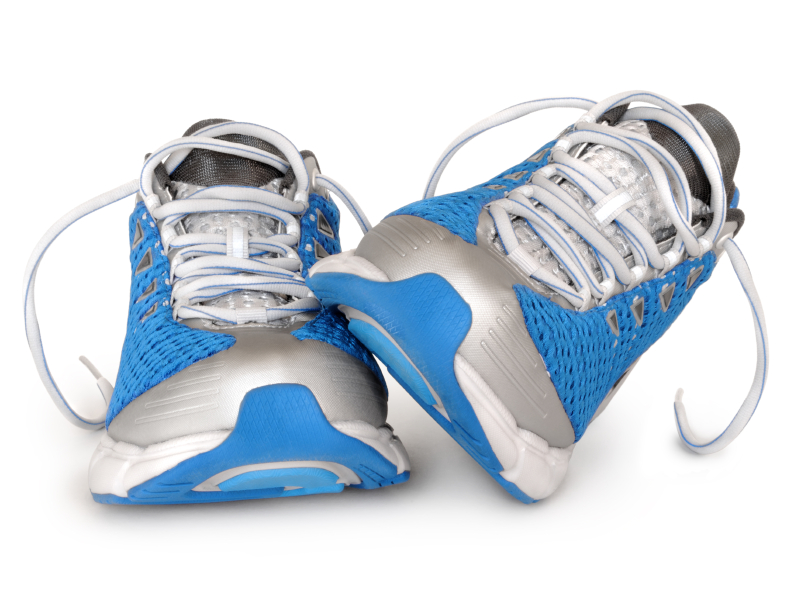
Feet come in all shapes and sizes. Consequently, running shoes need to be individualized for each runner. In general, common foot types include flat feet, high arches, neutral foot type, pronators, or supinators. There are several ways to determine your foot type. The footprint test allows you to look at an outline of your feet. Many running stores have computerized footplates and video analysis to determine foot type. Additionally, inspecting your running shoes is an accurate way to determine your foot type and strike pattern. Knowing about your foot type is critical to picking out running shoes.
There are several different categories of running shoes. In addition to fitting your foot type, you should also consider your training needs and injury history. Motion Control Shoes are rigid and durable and control pronation. Barefoot Running Shoes have recently gained popularity. Those who prefer these use them for comfort, and feel cushioned running shoes are harmful. Trail Running Shoes have increased threads, and help with difficult surfaces. Stability Running Shoes are the most common. They have moderate support and are made for neutral foot types without significant flexibility. Cushioned Shoes are typically used for high arches without significant pronation.
Running shoes should be replaced between 300-600 miles, depending on running style, terrain, and weight. It is helpful to alternate shoes to prevent wear and decrease stresses on your feet. Avoid blisters by not wearing new shoes on long runs. Consult a running shoe specialist to determine what shoe is the best for your needs to improve performance and decrease the risk of injury.
- Dr. Anikar Chhabra, M.D., M.S.

Wednesday, February 13, 2013

The Multiple Ligament Injured Knee


Congratulations to Dr. Lederman & Dr. Chhabra on their chapter publication Dr. Kweon on the Anatomy and Biomechanics of the Cruciate Ligaments and Their Surgical Implications, in book: The Multiple Ligament Injured Knee, A Practical Guide to Management Second Edition. 

To preview this book or for purchase, please click the link below:
http://www.amazon.com/The-Multiple-Ligament-Injured-Knee/dp/0387492879


Friday, February 1, 2013

Cycling Injury & Prevention


On Saturday February 9th, TOCA Physical Therapist Christine Phillips will be participating in the Sun Devil Classic (Strada Racing Club & ASU Cycling) road cycling event in Tempe from 7am to 5pm. (Click here to read more about this event). I deemed that this would be a good opportunity to talk about cycling and common injuries. Whether you ride a road, mountain, commuter or cruiser bike, cyclists are susceptible to a wide variety of injuries. These injuries can be related to many factors including muscle weakness, muscle tightness, improper fitting to your bike, poor pedaling mechanics or improper training. Many of these injuries can be avoided by adding several simple exercises and stretches to your weekly routine.

Today, there are about 80 million cyclists in the United States. Studies estimate that large numbers of these cyclists experience physical problems: 48 percent in their necks, 42 percent in their knees, 36 percent in the groin and buttocks, 31 percent in their hands, and 30 percent in the back.


Knee Pain
The knee is the most common site for overuse injuries in cycling. Patellofemoral syndrome (cyclist's knee), patella and quadricep tendinitis, medial plica syndrome, and iliotibial band friction syndrome are a few of the more common knee overuse injuries. The first four injuries mentioned involve pain around the kneecap, while the last condition results in outer knee pain. Shoe implants, wedges beneath the shoes, and cleat positions may help prevent some overuse injuries.

Head Injuries
One of the most common injuries suffered by cyclists is a head injury, which can be anything from a cut on the cheek to traumatic brain injury. Wearing a helmet may reduce the risk for head injury by 85 percent. The majority of states have no laws governing the use of helmets while riding a bicycle, but helmets are readily available for purchase and typically low in cost.

Neck/Back Pain
Cyclists most likely experience pain in the neck when they stay in one riding position for too long. An easy way to avoid this pain is by doing shoulder shrugs and neck stretches that help relieve neck tension. Improper form also leads to injuries. If the handlebars are too low, cyclists may have to round their backs, thus putting strain on the neck and back. Tight hamstrings and/or hip flexor muscles can also cause cyclists to round or arch the back, which causes the neck to hyperextend. Stretching these muscles on a regular basis will create flexibility and make it easier to maintain proper form. Changing the grip on the handlebars takes the stress off of over-used muscles and redistributes pressure to different nerves.

Wrist/Forearm Pain or Numbness
Cyclists should ride with their elbows slightly bent (never with their arms locked or straight). When they hit bumps in the road, bent elbows will act as shock absorbers. This is also where changing hand positions will help reduce pain or numbness. Two common wrist overuse injuries, Cyclist's Palsy and Carpal Tunnel Syndrome, can be prevented by alternating the pressure from the inside to the outsides of the palms and making sure wrists do not drop below the handlebars. In addition, padded gloves and stretching the hands and wrists before riding will help.

Foot Numbness and Tingling
Foot numbness and tingling are common complaints, and shoes that are too tight or narrow are often the cause. In addition, foot numbness can be due to exertional compartment syndrome. This arises from increased pressure in the lower leg and resulting compression of nerves. The diagnosis is made by pressure measurements and is treated with surgical release.


General injury types
  • Tendinitis - inflammation or irritation of a tendon can be caused by different reasons ie. ill-fitting shoe or cleat position. Falls may also cause bruising to tendons and overuse or extra or sudden forces may cause strains. Pain can arise from nerve irritation within the tendon and must be taken as a warning that something is wrong, the tendon maybe swollen or stretched or small tears may have occurred. Many overuse injuries around the knee are overuse tendon injuries.
  • Bursitis - irritation or inflammation of the fluid filled cystic structures found between surfaces that facilitate movement over each other. When one of those surfaces is also tendon then it is difficult to distinguish between tendinitis and bursitis. This is of little relevance because the treatment regime is the same for both.
  • Compression neuropathy - an abnormality of nerve function often caused by pressure on a nerve or the blood vessels that supply it. The common cycling neuropathies are cyclist's palsy (ulnar nerve) and penile numbness, a common problem related to the abnormal function of the pudendal nerve.
  • Stress fracture - an overuse injury of bone which are relatively uncommon in cycling.

Monday, January 28, 2013

What is a fracture?


What is a Fracture?  

A fracture is an injury to a bone when the tissue of the bone is broken.  There are many types of fractures.  That's because a fracture is named by the bone involved, the part of the bone, and the description of the break.  A complete fracture is a bone break that completely severs the bone across its width.  When you hear about a complex fracture, that means that the soft tissue around the bone is extremely damaged.  A fragmented fracture is fun, if you like puzzles.  A fragment fracture results in many broken bone pieces.  When the end of a broken bone tears through the skin, we have what you call a compound or open fracture.  When a simple fracture occurs, the bone does not break the skin.  Then we have the multiple fracture.  A multiple fracture refers to a break in which there are several fracture lines in the bone.  A multiple fracture may also mean, a fracture of several bones at one time or from the same injury. 

Causes of fractures of healthy bones include incidents such as sporting injuries, vehicle accidents and falls. Overuse, is also a common cause of fracture. Repetitive motion can tire muscles and place more force on bone. This can result in stress fractures. Stress fractures are more common in athletes. As we get older, our bones usually become more brittle. Osteoporosis and some types of cancer can also cause the bones to fracture more easily.

Types of Fractures:
  • Closed (simple) fracture – the skin remains intact and there is little damage to surrounding tissue.
  • Open (compound) fracture – the broken bone protrudes through the skin or there is a wound that leads to the fracture site.
  • Complicated fracture – in addition to the fracture, there is injury to the surrounding structures. There may be damage to the veins, arteries or nerves and there may also be injury to the lining of the bone (the periosteum).

Doctors use a variety of treatments to treat fractures:
  •  Functional Cast or Brace: The cast or brace allows limited or "controlled" movement of nearby joints. This treatment is desirable for some, but not all, fractures.
  • Traction: Traction is usually used to align a bone or bones by a gentle, steady pulling action.
  • External Fixation:  In this type of operation, metal pins or screws are placed into the broken bone above and below the fracture site. The pins or screws are connected to a metal bar outside the skin. This device is a stabilizing frame that holds the bones in the proper position while they heal.

  • Cast Immobilization:  A plaster or fiberglass cast is the most common type of fracture treatment, because most broken bones can heal successfully once they have been re-positioned and a cast has been applied to keep the broken ends in proper position while they heal.


Thursday, January 24, 2013

Overuse Injuries in Children


Overuse Injuries in Children


In recent years, doctors have begun to see a significant increase in overuse injuries in children. In most cases, these injuries are associated with sports-related activity.

Sports participation promotes the physical and emotional well being of children, and also encourages the lifelong habit of exercise. Although the benefits of athletic activity are significant, too much activity can lead to injury.
Overuse injuries occur gradually over time, when an athletic activity is repeated so often, areas of the body do not have enough time to heal between playing. For example, overhand pitching in baseball can be associated with injuries to the elbow, and swimming is often associated with injuries to the shoulder.

Because young athletes are still growing, they are at a greater risk for injury than adults. The consequences of overdoing a sport can include injuries that impair growth, and may lead to long-term health problems.
When a young athlete repeatedly complains of pain, a period of rest from the sport is necessary. If pain persists, it is important to seek proper medical treatment. To ensure the best possible recovery, athletes, coaches, and parents must follow safe guidelines for returning to the game.

Overuse injuries occur in a wide range of sports, from baseball and basketball to track, soccer, and gymnastics. Some of these injuries are unique to a certain sport, such as throwing injuries of the elbow and shoulder that are prevalent in baseball players. The most common overuse injuries involve the knee and foot.
Overuse injuries can affect muscles, ligaments, tendons, bones, and growth plates. In children, these structures are still growing, and the growth is generally uneven. Bones grow first, which pulls at tight muscles and tendons. This uneven growth pattern makes younger athletes more susceptible to muscle, tendon, and growth plate injuries.

Symptoms
Coaches and parents should be aware of the more common signs of overuse injury. These include:
  • Pain. This pain cannot be tied to an acute injury, such as from a fall. The pain often increases with activity
  • Swelling
  • Changes in form or technique
  • Decreased interest in practice

Common Overuse Injuries in Children

·         Sever’s Disease (Sever's disease is one of most common causes of heel pain in children)
·         Osgood-Schlatter Disease (children have pain at the front of the knee due to inflammation of the growth plate at the upper end of the tibia (shinbone))
·         Jumpers Knee
·         Throwing Injuries in the Elbow
·         Stress Fractures
·         Stress Reaction of Growth Plates (Physis)
·         Strains & Sprains


Prevention
Many overuse injuries in children can be prevented. Key to prevention is to avoid overdoing any single sport, and to give growing bodies adequate rest between practices or games.
  • Limit the number of teams in which your child is playing in one season. Kids who play on more than one team are especially at risk for overuse injuries.
  • Do not allow your child to play one sport year round — taking regular breaks and playing other sports is essential to skill development and injury prevention.