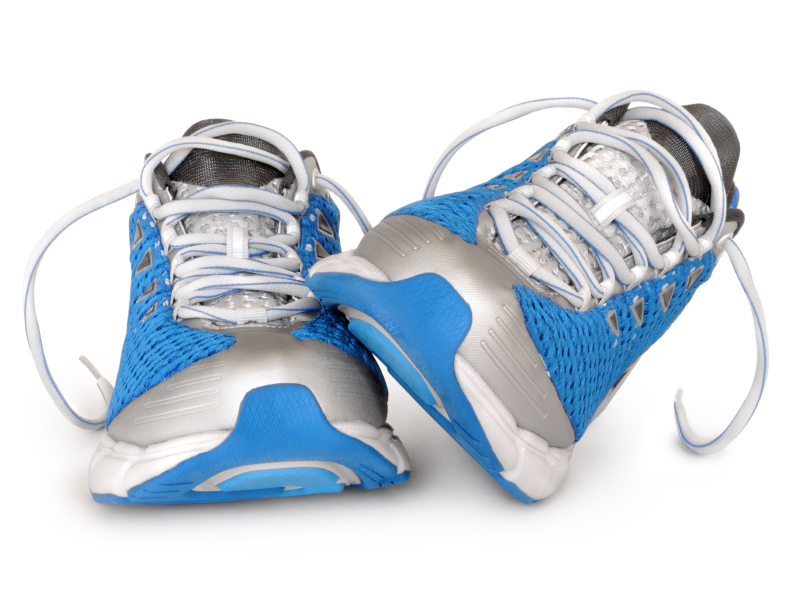
Shoes that are too tight, too loose, or without enough support, can lead to unwanted stress on the feet, ankles, lower leg, hip, and spine. This ongoing pressure can cause pain and injuries that may limit or prevent participation in work, sports, and hobbies.
According to the National Ambulatory Medical Care Survey (NAMCS), nearly 7 million Americans visited a doctor for foot- and toe-related discomfort last year. Fortunately, many foot-related problems can be prevented with shoes that are appropriate for an individual's feet, body, and lifestyle.
Top 5 Toe Deformities:
1. Bunion
2. Corn
3. Hammer Toe
4. Crossover Toe
5. Ingrown Toenail
Women's Shoes:
Over time, wearing high heels with a narrow toe box can cause the foot to take the shape of the shoe and result in deformities like hammer toes and corns.
There are a variety of women's shoes on the market ranging from comfortable, casual everyday shoes, to more formal shoes with four-inch heels. An ideal choice is a shoe that has a square or wide toe box, with a heel that is lower than two inches high.
Higher heeled, pointed shoes can cause bunions, knee pain, and lower back pain. In addition, high-heeled shoes place tremendous pressure on the fat pad under the ball of the foot (forefoot). The higher the heel, the greater the pressure and the likelihood for injury. If a high-heeled shoe has a pointed toe, it creates even more pressure in the forefoot.
If you prefer to wear higher heels, look for shoes with a platform under the toe box, which will decrease the overall stress on the foot. If you are purchasing a lower-heeled shoe, make sure that the heel is secure and that there is ample room in the toe box. Ballerina flats should have elastic along the top sides of the shoe so that they grip onto your foot better.
Men's Shoes:
In general, men's shoes are constructed to conform to the shape of the foot. Leather soled shoes are more durable and stable. If you regularly walk long distances, a softer soled shoe may be more comfortable.
Children's Shoes
In the early infant stages, a baby needs only booties or socks for warmth and protection. As the infant grows and begins to walk upright, bare feet are appropriate indoors as they allow the child to touch and feel the ground, developing proper sensory input; strengthen their intrinsic muscles (small, deep muscles of the foot); and develop their arches. To prevent injury, shoes should be worn outside of the house at all times.
When purchasing your child's first shoes:
Consider a store that specializes in shoes for growing feet. In the early years, a child's foot may be wide through the arch, so proper fitting in the width is important.
A sneaker or soft soled shoe is a good choice. A typical, low-cut sneaker allows the child to develop the ligaments and muscles around the ankle that are necessary for developing good balance and stabilization.
The toe box should be roomy and wide enough for the toes to wiggle. A finger's breadth of extra length will usually allow for about 3-to-6 months of growth, depending on the child's age and growth rate.
Your child's foot may grow faster than you expect at different ages and stages, so it is important to check the fit of your child's shoes regularly. If the shoes become difficult to place on the foot, and/or the child consistently wants their shoes off, it may mean that the shoes have become too small.
#RESULTS.RECOVERY.RELIEF.
TOCA
602-277-6211
www.tocamd.com