Wednesday, February 27, 2013

Dr. Bailie Invited to Wales to speak at the 6 Nations Rugby Tournament:


" I am appreciative of the opportunity to be invited to speak at the Symposium hosted by Hospital Innovations, Wales, UK in Cardiff Wales at the 6 Nations Rugby Tournament a few weeks ago. Although it was a quick, and long trip to Wales, UK, it was a great experience and an honor to be invited as the keynote speaker and guest of honor. I met some great people and it is always nice to share ideas "across the pond". Thank you to my good friend, Phil Davies, CEO of Hospital Innovations, and nominee for entrepreneur of the year in Wales (and owner of one of the most successful Orthopedic distributorships in all of Europe) who was our host and made sure that we had a great time and a wonderful academic experience.

I hope the ideas I shared were helpful and that the information can be used to help athletes/patients with shoulder injuries, especially the challenges faced in rugby and competitive athletes in general. Keeping people "in the game", including us "average Joes" is always the goal, but these guys amaze me." Think NFL combined with soccer with NO PADS!"

- Dr. David Bailie

Tuesday, February 26, 2013

Examining The Benefits Of Physical Therapy


Physical therapy may be part of a treatment plan for a variety of patients, including those who have suffered a sports injury, chronic pain, arthritis, or back pain. There are several different modalities used in physical therapy, so it can be fine-tuned for personalized treatment depending on the patient’s needs. Below are just some of the reasons why physical therapy is an effective solution for easing the pain caused by musculoskeletal disorders and injuries.

1.      Adaptable to any skill level: Patients ranging from senior citizens to professional athletes can benefit from physical therapy. Usually sessions are performed on a one-on-one basis, so the therapist can work closely with the patient to understand his or her physical capabilities and limitations. An individual treatment plan will be designed for each case based on the exact needs of the patient. 
2.      Chronic pain relief: Managing chronic pain can be a challenge because it typically does not respond to traditional medications and treatments. Physical therapy can address the root of chronic pain and ease soreness for the patient with many different techniques. Exercise and stretching are only a part of a physical therapy session. Massage and muscular manipulation performed by the therapist can help naturally reduce inflammation and pain.

3.      Improved endurance and strength: Aside from helping to treat injuries, physical therapy can help you build strength to prevent future problems from occurring. Over time you will notice better flexibility, improved range of motion, and higher stamina.
4.      Tips for at home care: Throughout your physical therapy plan, your therapist will show you exercises and stretches to perform at home to further the benefits of your sessions. This can help you recover faster and understand how to stay in shape for life. 

The physical therapists of The Orthopedic Clinic Association, or TOCA, offer compassionate care backed by years of experience in the field.  Schedule a consultation to design a treatment plan that suits you by calling (602) 677-6211.

Tuesday, February 19, 2013

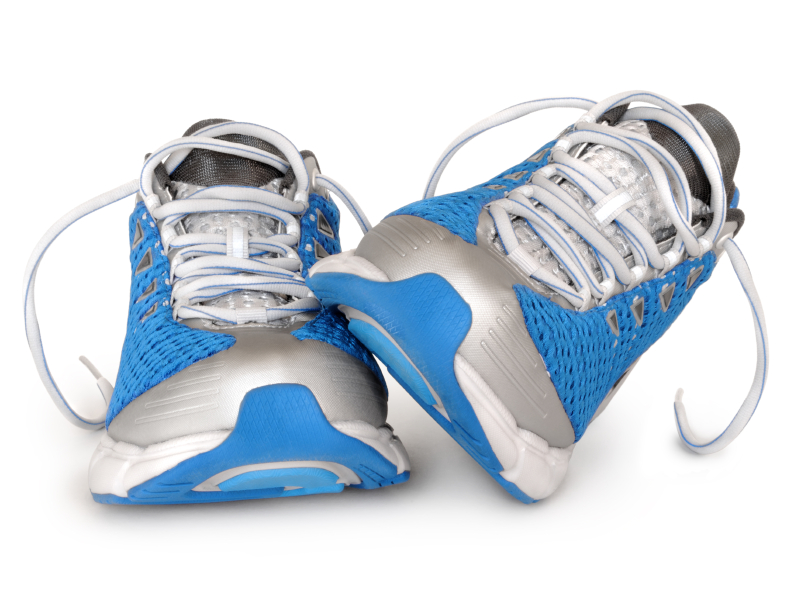
Running Shoe Essentials


Feet come in all shapes and sizes. Consequently, running shoes need to be individualized for each runner. In general, common foot types include flat feet, high arches, neutral foot type, pronators, or supinators. There are several ways to determine your foot type. The footprint test allows you to look at an outline of your feet. Many running stores have computerized footplates and video analysis to determine foot type. Additionally, inspecting your running shoes is an accurate way to determine your foot type and strike pattern. Knowing about your foot type is critical to picking out running shoes.
There are several different categories of running shoes. In addition to fitting your foot type, you should also consider your training needs and injury history. Motion Control Shoes are rigid and durable and control pronation. Barefoot Running Shoes have recently gained popularity. Those who prefer these use them for comfort, and feel cushioned running shoes are harmful. Trail Running Shoes have increased threads, and help with difficult surfaces. Stability Running Shoes are the most common. They have moderate support and are made for neutral foot types without significant flexibility. Cushioned Shoes are typically used for high arches without significant pronation.
Running shoes should be replaced between 300-600 miles, depending on running style, terrain, and weight. It is helpful to alternate shoes to prevent wear and decrease stresses on your feet. Avoid blisters by not wearing new shoes on long runs. Consult a running shoe specialist to determine what shoe is the best for your needs to improve performance and decrease the risk of injury.
- Dr. Anikar Chhabra, M.D., M.S.

Friday, February 15, 2013

Sun Devil Classic; Injury Prevention Education

TOCA was proud to support our local cycling racers, promoting education of the importance of stretching and injury prevention with TOCA PT (Physical Therapy). On Saturday February 9th, TOCA Physical Therapist Christine Phillips participated in the Sun Devil Classic (Strada Racing Club & ASU Cycling) road cycling event in Tempe from 7am to 5pm.

Check out the video:
http://www.youtube.com/watch?v=OshktcyMbA4


Wednesday, February 13, 2013

The Multiple Ligament Injured Knee


Congratulations to Dr. Lederman & Dr. Chhabra on their chapter publication Dr. Kweon on the Anatomy and Biomechanics of the Cruciate Ligaments and Their Surgical Implications, in book: The Multiple Ligament Injured Knee, A Practical Guide to Management Second Edition. 

To preview this book or for purchase, please click the link below:
http://www.amazon.com/The-Multiple-Ligament-Injured-Knee/dp/0387492879


Friday, February 1, 2013

Cycling Injury & Prevention


On Saturday February 9th, TOCA Physical Therapist Christine Phillips will be participating in the Sun Devil Classic (Strada Racing Club & ASU Cycling) road cycling event in Tempe from 7am to 5pm. (Click here to read more about this event). I deemed that this would be a good opportunity to talk about cycling and common injuries. Whether you ride a road, mountain, commuter or cruiser bike, cyclists are susceptible to a wide variety of injuries. These injuries can be related to many factors including muscle weakness, muscle tightness, improper fitting to your bike, poor pedaling mechanics or improper training. Many of these injuries can be avoided by adding several simple exercises and stretches to your weekly routine.

Today, there are about 80 million cyclists in the United States. Studies estimate that large numbers of these cyclists experience physical problems: 48 percent in their necks, 42 percent in their knees, 36 percent in the groin and buttocks, 31 percent in their hands, and 30 percent in the back.


Knee Pain
The knee is the most common site for overuse injuries in cycling. Patellofemoral syndrome (cyclist's knee), patella and quadricep tendinitis, medial plica syndrome, and iliotibial band friction syndrome are a few of the more common knee overuse injuries. The first four injuries mentioned involve pain around the kneecap, while the last condition results in outer knee pain. Shoe implants, wedges beneath the shoes, and cleat positions may help prevent some overuse injuries.

Head Injuries
One of the most common injuries suffered by cyclists is a head injury, which can be anything from a cut on the cheek to traumatic brain injury. Wearing a helmet may reduce the risk for head injury by 85 percent. The majority of states have no laws governing the use of helmets while riding a bicycle, but helmets are readily available for purchase and typically low in cost.

Neck/Back Pain
Cyclists most likely experience pain in the neck when they stay in one riding position for too long. An easy way to avoid this pain is by doing shoulder shrugs and neck stretches that help relieve neck tension. Improper form also leads to injuries. If the handlebars are too low, cyclists may have to round their backs, thus putting strain on the neck and back. Tight hamstrings and/or hip flexor muscles can also cause cyclists to round or arch the back, which causes the neck to hyperextend. Stretching these muscles on a regular basis will create flexibility and make it easier to maintain proper form. Changing the grip on the handlebars takes the stress off of over-used muscles and redistributes pressure to different nerves.

Wrist/Forearm Pain or Numbness
Cyclists should ride with their elbows slightly bent (never with their arms locked or straight). When they hit bumps in the road, bent elbows will act as shock absorbers. This is also where changing hand positions will help reduce pain or numbness. Two common wrist overuse injuries, Cyclist's Palsy and Carpal Tunnel Syndrome, can be prevented by alternating the pressure from the inside to the outsides of the palms and making sure wrists do not drop below the handlebars. In addition, padded gloves and stretching the hands and wrists before riding will help.

Foot Numbness and Tingling
Foot numbness and tingling are common complaints, and shoes that are too tight or narrow are often the cause. In addition, foot numbness can be due to exertional compartment syndrome. This arises from increased pressure in the lower leg and resulting compression of nerves. The diagnosis is made by pressure measurements and is treated with surgical release.


General injury types
  • Tendinitis - inflammation or irritation of a tendon can be caused by different reasons ie. ill-fitting shoe or cleat position. Falls may also cause bruising to tendons and overuse or extra or sudden forces may cause strains. Pain can arise from nerve irritation within the tendon and must be taken as a warning that something is wrong, the tendon maybe swollen or stretched or small tears may have occurred. Many overuse injuries around the knee are overuse tendon injuries.
  • Bursitis - irritation or inflammation of the fluid filled cystic structures found between surfaces that facilitate movement over each other. When one of those surfaces is also tendon then it is difficult to distinguish between tendinitis and bursitis. This is of little relevance because the treatment regime is the same for both.
  • Compression neuropathy - an abnormality of nerve function often caused by pressure on a nerve or the blood vessels that supply it. The common cycling neuropathies are cyclist's palsy (ulnar nerve) and penile numbness, a common problem related to the abnormal function of the pudendal nerve.
  • Stress fracture - an overuse injury of bone which are relatively uncommon in cycling.

Monday, January 28, 2013

What is a fracture?


What is a Fracture?  

A fracture is an injury to a bone when the tissue of the bone is broken.  There are many types of fractures.  That's because a fracture is named by the bone involved, the part of the bone, and the description of the break.  A complete fracture is a bone break that completely severs the bone across its width.  When you hear about a complex fracture, that means that the soft tissue around the bone is extremely damaged.  A fragmented fracture is fun, if you like puzzles.  A fragment fracture results in many broken bone pieces.  When the end of a broken bone tears through the skin, we have what you call a compound or open fracture.  When a simple fracture occurs, the bone does not break the skin.  Then we have the multiple fracture.  A multiple fracture refers to a break in which there are several fracture lines in the bone.  A multiple fracture may also mean, a fracture of several bones at one time or from the same injury. 

Causes of fractures of healthy bones include incidents such as sporting injuries, vehicle accidents and falls. Overuse, is also a common cause of fracture. Repetitive motion can tire muscles and place more force on bone. This can result in stress fractures. Stress fractures are more common in athletes. As we get older, our bones usually become more brittle. Osteoporosis and some types of cancer can also cause the bones to fracture more easily.

Types of Fractures:
  • Closed (simple) fracture – the skin remains intact and there is little damage to surrounding tissue.
  • Open (compound) fracture – the broken bone protrudes through the skin or there is a wound that leads to the fracture site.
  • Complicated fracture – in addition to the fracture, there is injury to the surrounding structures. There may be damage to the veins, arteries or nerves and there may also be injury to the lining of the bone (the periosteum).

Doctors use a variety of treatments to treat fractures:
  •  Functional Cast or Brace: The cast or brace allows limited or "controlled" movement of nearby joints. This treatment is desirable for some, but not all, fractures.
  • Traction: Traction is usually used to align a bone or bones by a gentle, steady pulling action.
  • External Fixation:  In this type of operation, metal pins or screws are placed into the broken bone above and below the fracture site. The pins or screws are connected to a metal bar outside the skin. This device is a stabilizing frame that holds the bones in the proper position while they heal.

  • Cast Immobilization:  A plaster or fiberglass cast is the most common type of fracture treatment, because most broken bones can heal successfully once they have been re-positioned and a cast has been applied to keep the broken ends in proper position while they heal.